Legal Issues
Is homeschooling legal? Which laws pertain to homeschoolers and which don't? How do homeschoolers protect their rights to freely educate their children and to preserve their privacy?
Political and Legal Support for Homeschoolers in Minnesota
National Charter School Watch List
This list is created to be a means of informing, documenting and evaluating available information concerning the impact of virtual/charter schools on the homeschooling community. This information consists of and is not limited to news items, articles from various sources, legislative information (bills, law changes), documented efforts and experiences and other information that may give weight to whether home-based charter schools or virtual schools are having an impact in any negative way on homeschooling.
Alliance for the Separation of School & State
An advisory group concerned with educating people about the need to eliminate government involvement in education and the rights of parents to educate their own children. On this site, you will find a public proclamation for the separation of school and state, which you can sign.
Minnesota Education Tax Credit & Deduction
Minnesota has two programs—the education tax credit and the education tax deduction (also called a subtraction)—to help families pay expenses related to their child’s kindergarten through 12th grade education. Both programs lower the taxes you must pay and may even provide a larger refund when you file your Minnesota Individual Income Tax Return.
Legal Issues Affecting the Homeschool Community
The Seduction of Homeschooling Families
Do the public school authorities feel threatened by homeschooling? Judging by their efforts to lure homeschooling families into dependence on local school districts, the answer is apparently yes. For the last several years, homeschooling has been the fastest growing educational alternative in the country. The sheer number of homeschoolers represent a distinct threat to the hegemony of the government school monopoly. Qualitatively, the academic success of homeschoolers, measured by standardized test scores and recruitment by colleges, debunk the myth that parents need to hire credentialed experts to force children to learn.
Keeping Homeschooling Private
Homeschoolers have been vigilant in protecting their rights, rising to the occasion when they discover threats to clamp down on their activities. Discusses some of the criticisms by opponents of homeschooling, along with the examples of some legal fights in Connecticut and Montana.
State Laws Concerning Participation of Homeschool Students in Public School Activities
This is a list of states that have addressed issues of homeschooler participation in public school classes, sports,
activities, etc.
Together We Stand Free
Details the importance of support alternative educational choices, including private schools and vouchers, along with homeschooling.
The Legal Side of Homeschooling: An Overview of the Legal Risks and their Solutions
Families homeschooling for the first time inevitably have questions about legal challenges or threats that they might face from local or state education authorities. Those who do seek an answer to these questions are often faced with a confusing array of laws, policies, and regulations that not only vary from state to state, but also between school districts, and school officials within the same state or district.
Battling for the Heart and Soul of Home-Schoolers
A look at the battle for the homeschooling movement and the demographics of homeschooling families that challenges the notion that all homeschoolers are conservative fundamentalists. This article is a critical look at the HSLDA.
HSLDA's Position on Tax Credits Generally
Although a credit or deduction could be helpful for homeschoolers, HSLDA opposes any tax break legislation that could come with governmental regulations. Homeschoolers have fought far too long and much too hard to throw off the chains of government regulation that hinder effective education and interfere with liberty. It would be inconsistent and foolhardy to accept tax incentives in exchange for government regulation. However, HSLDA supports tax credits that promote educational choice without threatening any regulation of homeschoolers. - See more at: http://nche.hslda.org/docs/nche/000010/200504150.asp#sthash.tvLv2ItR.dpuf
The Politics of Survival: Home Schoolers and the Law
Twenty years ago, home education was treated as a crime in almost every state. Today, it is legal all across America, despite strong and continued opposition from many within the educational establishment. How did this happen? This paper traces the legal and sociological history of the modern home school movement, and then suggests factors that led to this movement's remarkable success.
Homeschooling Litigation: Preparing the Way
The greatest obstacle pioneering homeschoolers faced two decades ago was daunting: in most states home education wasn't legal. This article details five of the most significant cases that have become landmark decisions in the move towards homeschooling freedoms: the DeJonge case in Michigan, the Jeffery case in Pennsylvania, the Diegel case in Ohio, the Triple E case in South Carolina, and the Calabretta case in California.
Safeguarding Home Education Freedoms at the Local Level
While many parents may not have the opportunity to influence legislation regarding home education on the state level, there are ways to be involved on a local level.
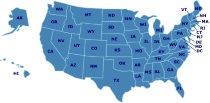
Looking for Another State?
Featured Resources
As an Amazon Associate, we earn from qualifying purchases. We get commissions for purchases made through links on this site.

Discovery of the Child
Maria Montessori went beyond the conventions of the day to seek a new way of knowing and loving a child. In THE DISCOVERY OF THE CHILD, she describes the nature of the child and her method of working more fully with the child's urge to learn. With 16 pages of photographs.

And What About College?: How Homeschooling Can Lead to Admissions to the Best Colleges & Universities
Get all your questions about helping your homeschooled student apply and get accepted to college answered with this resource. It discusses transcripts, diplomas, education choices, online colleges, and more. If you are worried about whether your homeschooled student can have a successful college search, then this book will help allay those fears and offers good support and information.

The Absorbent Mind
In response to the crisis in American education, more than five thousand public and private schools across the nation have adopted the timeless Montessori Method of teaching, of which this book is the cornerstone. Written by the women whose name is synonymous worldwide with child development theory, The Absorbent Mind takes its title from the phrase that the inspired Italian doctor coined to characterize the child's most crucial developmental stage: the first six years.A new foreword by John Cha...
Alpha-Phonics
Alpha Phonics is a primer for beginning readers. It features 128 self-explanatory lessons, printed in large, clear calligraphy suitable for beginning readers. You'll find product information about Alpha-Phonics here.

Help for the Harried Homeschooler : A Practical Guide to Balancing Your Child's Education with the Rest of Your Life
Homeschooling moms and dads can be overwhelmed by the demands on their time. Between their children’s educational needs; their roles as spouse, parent, and more; and their own individual desires and goals, these mothers and fathers struggle to accomplish all that must be done. In Help for the Harried Homeschooler, experienced homeschooler, author, and mother of four Christine Field offers sound advice for parents who want not only to achieve homeschooling success but also to reach a balanc...